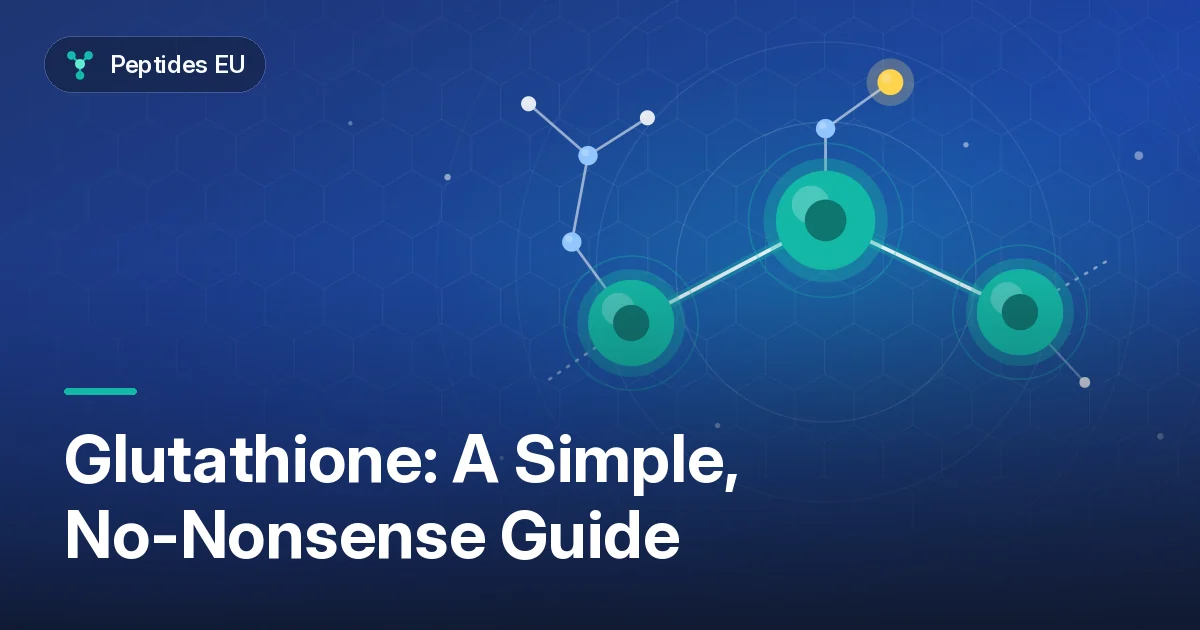
GlutathioneTripeptide
What Is Glutathione? A Simple Guide
What is Glutathione? A plain-language guide to this tiny three-amino-acid peptide: where it occurs, why it's studied and how to store it.
4 min read
Research blog
Practical articles on peptide handling, EU laboratory logistics, quality testing, and in vitro research planning. Written for European research teams — in vitro use only.
What is Glutathione? A plain-language guide to this tiny three-amino-acid peptide: where it occurs, why it's studied and how to store it.

Melanotan 1 vs Melanotan 2 explained simply: where they come from, how their structure and receptor binding differ, and how to store them.
A plain-language look at the triple-receptor peptide drawing attention in metabolic research.
A clear, jargon-light explainer on why labs and the public keep talking about tirzepatide.

The basics of semaglutide as a research peptide, without the marketing noise.
How laboratories handle GHK-Cu vials, plan reconstitution, and store copper peptides for in vitro work.
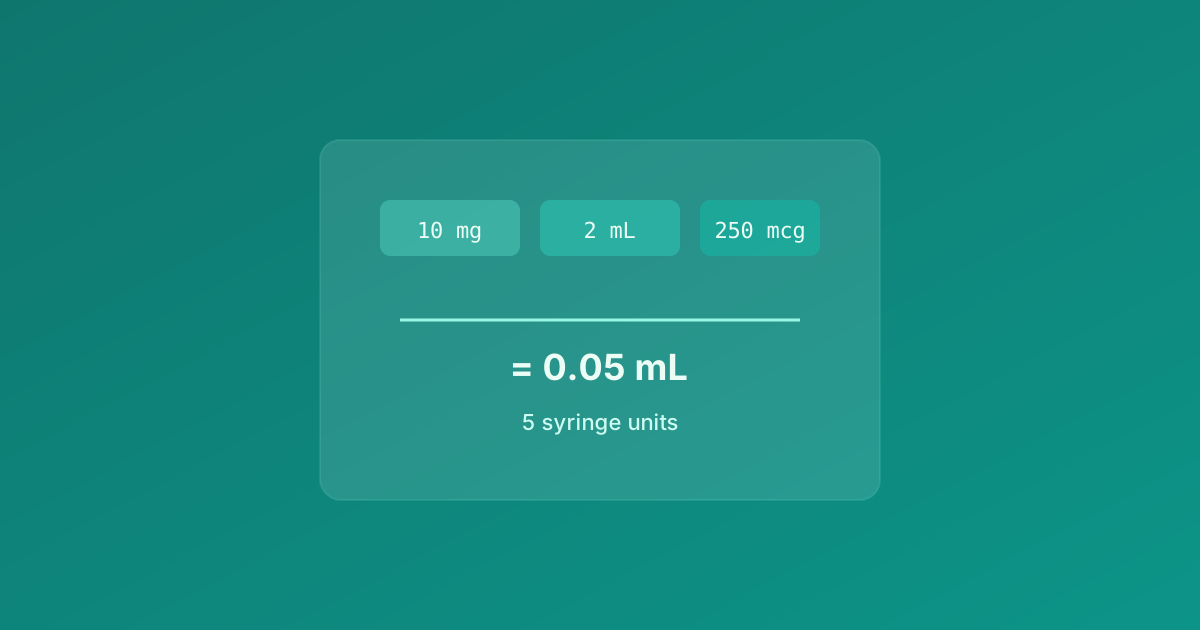
How to translate vial mass, diluent volume, and target sample size into draw volumes and syringe units before you reconstitute.

Ordering from within the European Union means no customs clearance, no surprise import VAT at the door, and faster delivery to your lab.

Step-by-step guidance on adding bacteriostatic water, achieving the right concentration, and preparing samples for in vitro work.
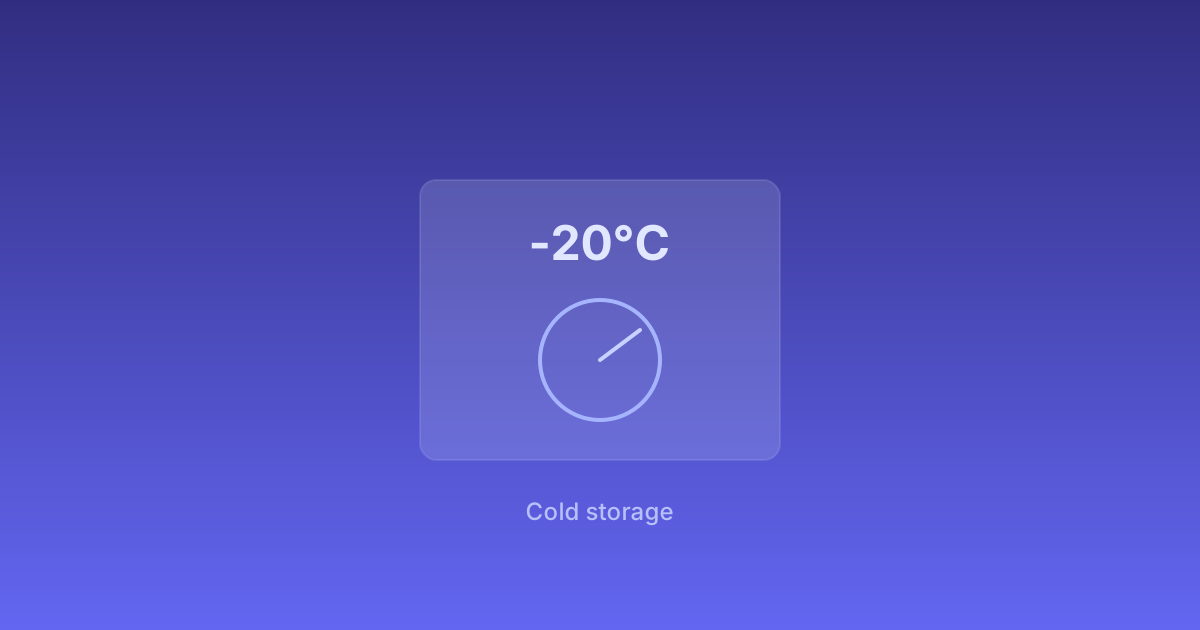
How storage conditions affect peptide stability before and after reconstitution — and how to organise your freezer and fridge.

Understand purity percentages, HPLC traces, mass confirmation, and why batch-specific documentation matters for reproducible research.

Background on Body Protection Compound-157, common vial sizes, and practical reconstitution planning for in vitro studies.

An introduction to TB-500 research applications, storage, and how it differs from related thymosin peptides in the lab.

Factors that influence how long reconstituted peptides remain usable — pH, temperature, diluent choice, and handling.

U-100 syringe sizes, diluent options, and the lab supplies that make reconstitution and sampling more accurate.
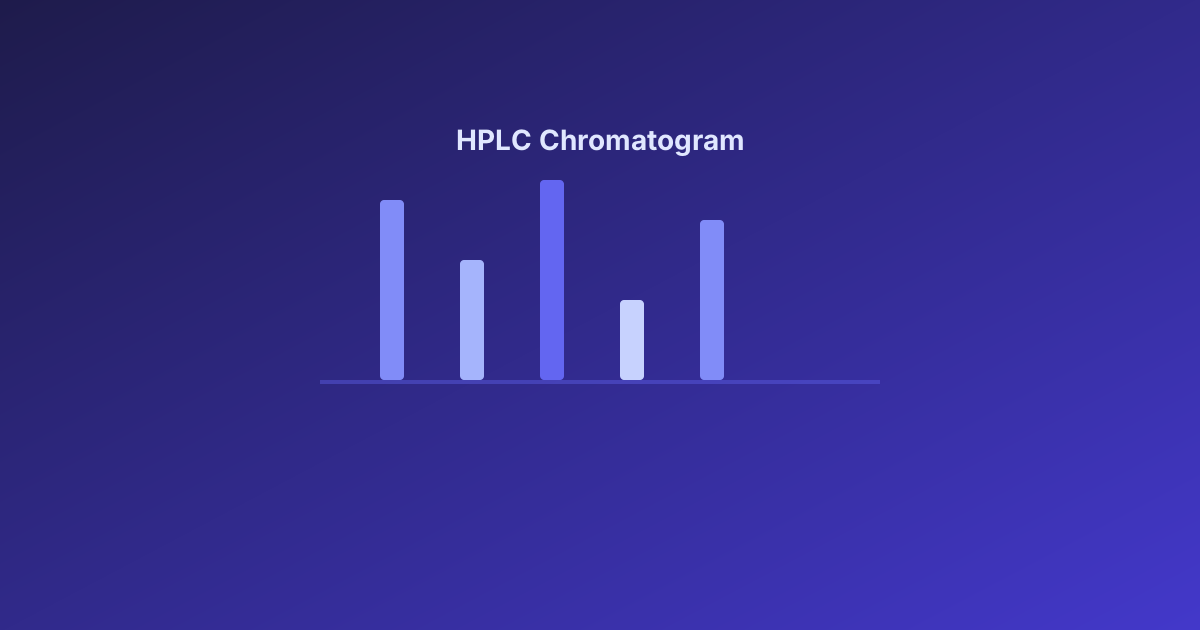
A plain-language overview of the analytical methods behind COA purity figures and identity confirmation.

What to expect when ordering from Peptides EU — tracked delivery, discreet packaging, and why intra-EU logistics beat third-country imports.